Furnace Installation & Replacement in Utah County, UT
If your furnace is outdated, inefficient, or no longer keeping your home warm, Peak Air HVAC provides professional furnace installation and replacement in Utah County.
We install properly sized, high-efficiency furnaces designed for reliable performance and long-term comfort. Whether you need a new system or are replacing an old furnace, we help you choose the best solution for your home and budget.
New Furnace Installation & Replacement in Utah County
Whether you’re upgrading an old system or installing a furnace in a new home, we provide complete heating solutions tailored to your space.
We install:
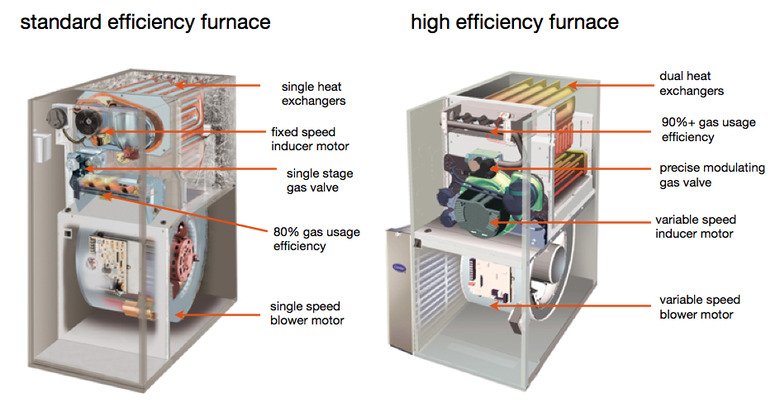
High-efficiency gas furnaces
Variable-speed systems
Properly sized systems for your home
If your current system is still working but having issues, you may want to explore furnace repair in Utah County before deciding on replacement.
Signs You Need Furnace Replacement
- Your furnace is over 15–20 years old
- Frequent repairs are becoming expensive
- Rising energy bills during winter
- Uneven heating or cold spots
- Strange noises or system breakdowns
- Furnace struggles to keep up in cold weather
Choosing the Right Furnace for Your Home
Selecting the right furnace is critical for comfort and efficiency. We evaluate your home's size, insulation, airflow, and layout to ensure proper system sizing.
We install:
- Gas furnaces
- Electric furnaces
- High-efficiency furnace systems
- Variable-speed and multi-stage systems
Proper sizing and installation ensure consistent heating, lower energy costs, and longer system life.
Professional Furnace Installation Process
Our furnace installation process ensures your system is set up for long-term performance:
- Load calculation and system sizing
- Removal of existing furnace
- Installation of new furnace system
- Electrical and gas connections
- Airflow balancing and duct inspection
- System testing and performance verification
Furnace Repair vs Replacement – What’s the Right Choice?
If your furnace is newer and the repair is minor, fixing the system may be the best option. However, if your furnace is older, inefficient, or requires frequent repairs, replacement is often the better long-term investment.
Our team helps homeowners in Utah County compare repair and replacement options so you can make the best decision for your home and budget.
Furnace Installation in Utah County Winters
Furnaces in Utah County must perform reliably during cold winter temperatures. Proper installation, system sizing, and airflow setup are critical to ensure your home stays warm and comfortable throughout the season.
Complete HVAC Services in Utah County
We don’t just install furnaces—we support your entire HVAC system:
AC repair in Utah County – cooling services for summer
Furnace repair in Utah County – fix heating issues quickly
HVAC maintenance in Utah County – prevent breakdowns
HVAC Replacement in Utah County – Ac replacement options available
Financing for HVAC System- We can offer financing for your HVAC
Furnace Installation Near You in Utah County
We provide furnace installation services across Utah County, including:
If you’re searching for “furnace installation near me,” Peak Air HVAC is your trusted local contractor.
Frequently Asked Questions About Furnace Installation
How much does furnace installation cost in Utah County?
Furnace installation costs vary depending on system type, efficiency, and home size. We provide clear, upfront pricing based on your specific needs.
How long does it take to install a furnace?
Most furnace installations can be completed in one day, depending on the complexity of the job.
What size furnace do I need?
The right size depends on your home’s square footage, insulation, and layout. Proper system sizing is critical for efficiency and comfort.
Is it better to repair or replace my furnace?
If your furnace is older, inefficient, or requires frequent repairs, replacement is often the better long-term investment.
Do you install high-efficiency furnaces?
Yes, we install high-efficiency systems designed to reduce energy costs and improve comfort.